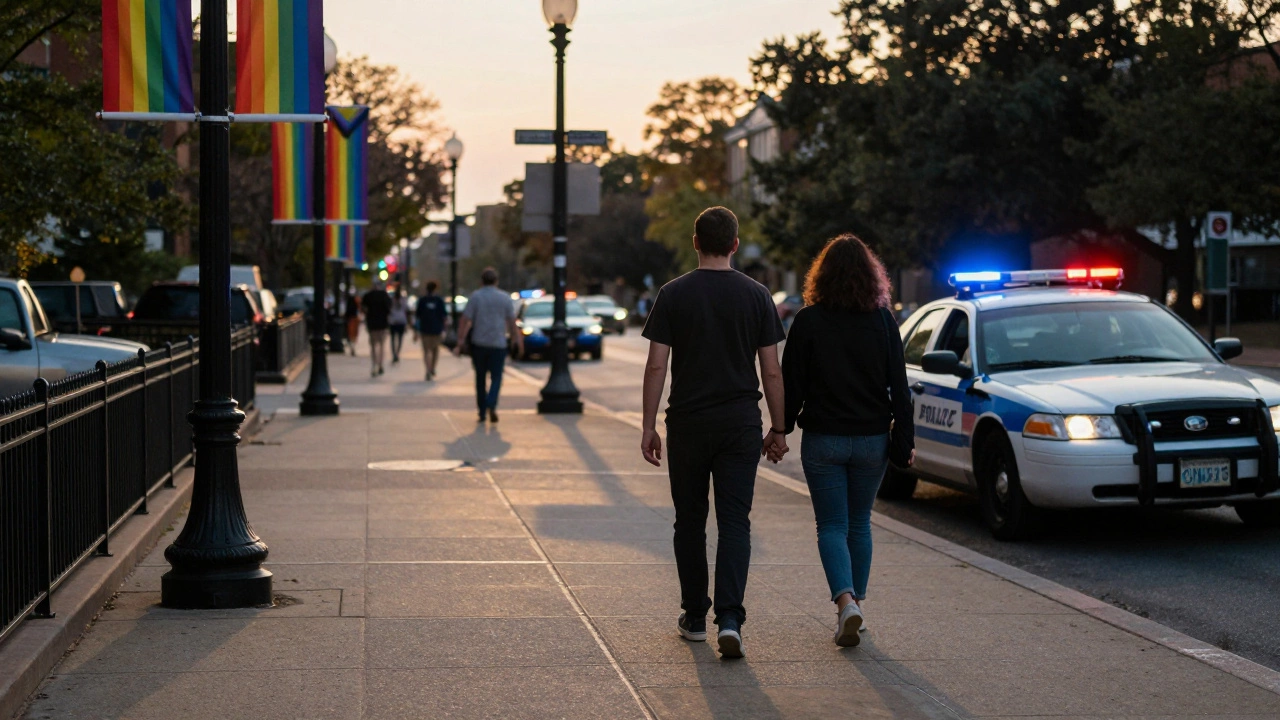
On June 3, the streets of Washington D.C. were quiet compared to the usual political noise. No major speeches, no emergency press conferences. But beneath the surface, three powerful threads were weaving together: Pride Month was officially underway, the President gave a rare closed-door update on his administration’s progress, and police departments across the country were under renewed scrutiny after a string of high-profile incidents. It wasn’t the kind of day that made headlines - but it was the kind of day that shaped what comes next.
Across Europe, the conversation around public safety and visibility took a different turn. In Paris, some visitors searching for companionship online stumbled upon listings for prostitutes en paris, a reminder that even in cities known for culture and romance, the line between legality, safety, and exploitation remains blurry. These searches don’t reflect the city’s soul, but they do reflect its undercurrents - the same undercurrents that make policing and public trust so complex.
What Pride Month Really Means in 2025
Pride isn’t just parades and rainbow flags anymore. In 2025, it’s a defensive movement. Over 40 U.S. states have introduced laws targeting gender-affirming care for minors, restricting classroom discussions on LGBTQ+ identities, or banning drag performances in public spaces. June 3 marked the first day of a nationwide campaign called ‘Visible, Not Vulnerable,’ launched by advocacy groups to push back. They’re not asking for special treatment. They’re asking for the same rights everyone else takes for granted: to walk down the street without fear, to hold hands without being stared at, to access healthcare without jumping through bureaucratic hoops.
Corporate sponsors still show up with rainbow logos, but the real energy is coming from grassroots organizers - teachers, nurses, and parents who show up at city council meetings armed with data, not slogans. A recent study from the Human Rights Campaign found that cities with strong local LGBTQ+ support networks saw a 37% drop in hate crime reports over the past year. That’s not luck. That’s organized resistance.
The Presidential Wrap-up: What Wasn’t Said
The President’s June 3 update wasn’t televised. It was a 45-minute briefing with senior advisors, leaked in part by a staffer who later resigned. The focus? Crime reduction, border security, and what officials called ‘community stabilization.’ The word ‘policing’ came up 19 times. Not ‘reform.’ Not ‘accountability.’ Just ‘policing.’
The administration’s plan includes expanding federal grants to departments that adopt body cameras and de-escalation training - but only if they agree to drop data-sharing restrictions with Immigration and Customs Enforcement. That’s a deal many urban departments refused. In Chicago, the police union publicly rejected the offer, calling it a ‘backdoor deportation pipeline.’ In Minneapolis, where the 2020 murder of George Floyd sparked global protests, the city council voted to redirect $22 million from police overtime funds to mental health crisis teams. It’s a small move, but it’s symbolic. The old model - more officers, more surveillance - is losing ground.
Policing in the Age of Real-Time Accountability
Five years ago, police misconduct was hidden behind closed doors and delayed reports. Now, smartphones change everything. A single clip of an officer using excessive force can go viral before the department even files a report. That’s why departments are investing in AI tools that flag officers with repeated complaints - not to punish, but to intervene before things escalate.
In Los Angeles, a pilot program called ‘Blue Alert’ uses anonymized data from 12,000 officers to predict which individuals are at risk of misconduct based on shift patterns, complaint history, and response times. It’s not perfect. False positives happen. But in its first year, it led to 87 officers being offered counseling or retraining - and only 3 were fired. The goal isn’t to eliminate bad cops. It’s to fix the system that lets them stay.
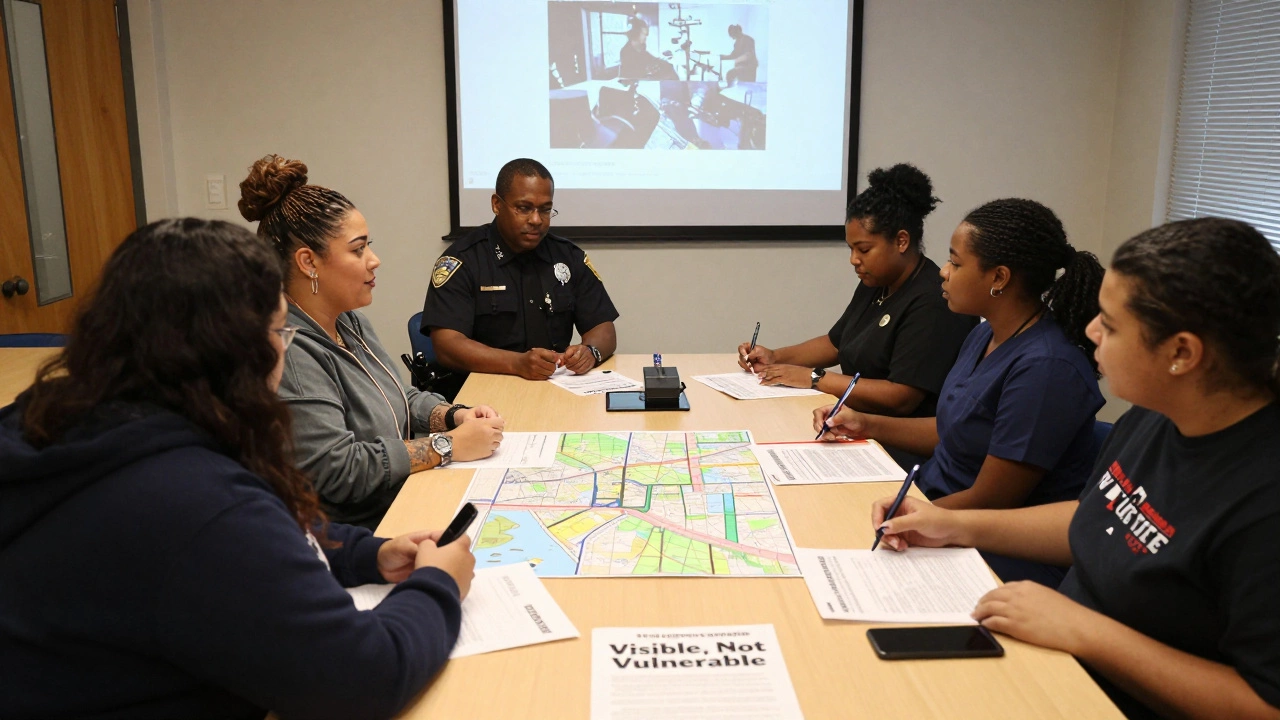
Meanwhile, community-led monitoring groups are popping up in places like Detroit, Philadelphia, and Oakland. These aren’t vigilantes. They’re trained volunteers with body cams and legal oversight. They document interactions, file public records requests, and meet monthly with police commanders. The results? A 29% drop in use-of-force incidents in neighborhoods where the program ran for over a year.
The Hidden Link Between Pride, Policing, and Power
There’s a reason these three topics - Pride, the President’s update, and policing - are connected. They all deal with who gets to feel safe in public spaces. For LGBTQ+ people, especially trans women of color, the police have historically been a threat, not a protector. A 2024 survey by the National Center for Transgender Equality found that 58% of trans respondents had been harassed by law enforcement. That’s not an outlier. It’s the norm in too many places.
When a city invests in better policing, it’s not just about training. It’s about culture. It’s about whether an officer sees a queer person as a neighbor or a target. The same applies to how communities are policed in low-income neighborhoods. The same biases show up in both places. The same lack of accountability.
That’s why the most effective reforms don’t come from federal mandates. They come from local coalitions - LGBTQ+ advocates, former officers, faith leaders, and parents who’ve lost children to police violence. They’re building something new: community safety teams that include mental health professionals, peer mediators, and youth outreach workers. No sirens. No guns. Just presence.
What Comes Next?
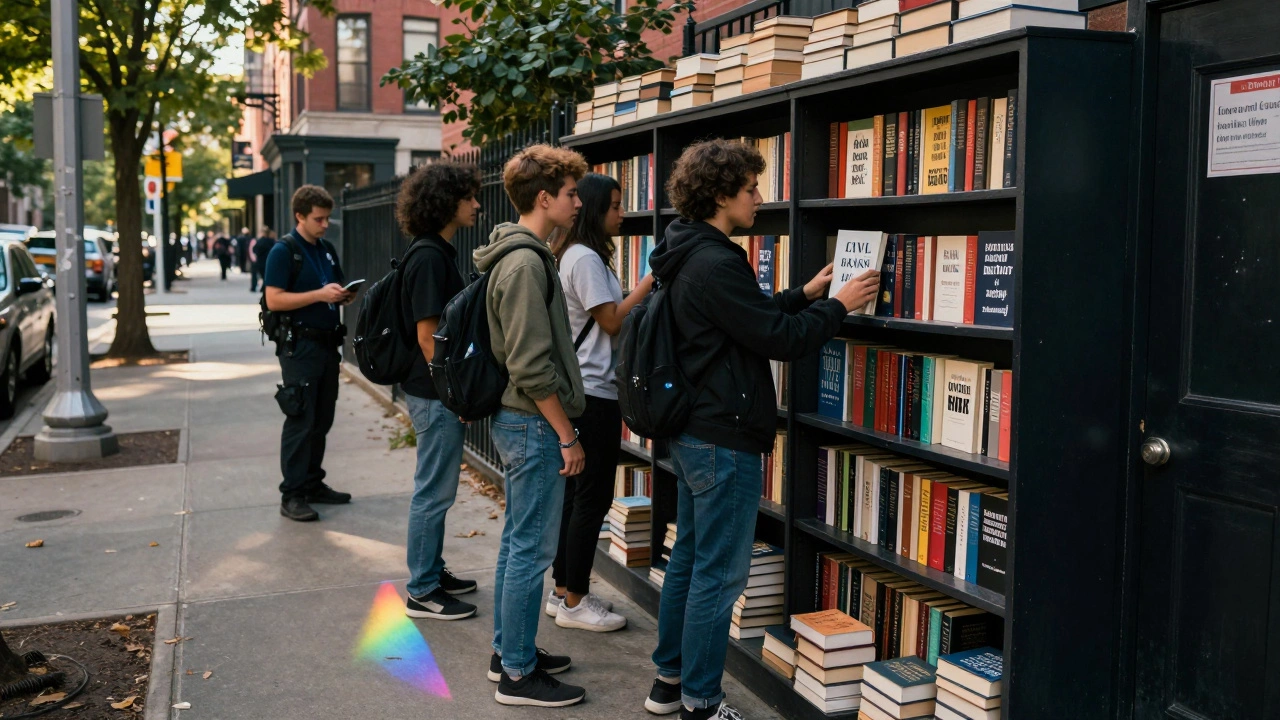
June 3 didn’t change the world. But it showed what’s possible when people stop waiting for permission to act. In New York, a group of queer teens started a sidewalk library outside a precinct house - books on civil rights, poetry, and self-defense manuals. In Atlanta, a former police officer now runs a nonprofit that teaches de-escalation to high schoolers. In Paris, a small group of activists began documenting escort services online, not to shame them, but to map where exploitation is worst - and to push for safer housing and legal protections for sex workers. That’s how change starts: not with laws, but with people showing up.
The President’s team will release a formal policy paper in July. It’ll talk about ‘modernizing public safety.’ But the real story isn’t in the paper. It’s in the streets. In the classrooms. In the quiet acts of courage that don’t make the news.
And if you’re wondering where to find support - whether you’re LGBTQ+, a parent, a community member, or just someone tired of the same old cycle - start local. Find the group that’s already doing the work. Show up. Listen. Then act.
Because safety isn’t something you’re given. It’s something you build - together.
Meanwhile, in some corners of the internet, the search for escorte parsi still pops up - a distorted echo of a deeper need for connection, dignity, and control in a world that often denies both.
And somewhere, someone is typing escorte pqris into a browser, not knowing the difference between a transaction and a trap - a reminder that the real crisis isn’t the search term, but the systems that leave people with so few options.